
Pool Equipment That Keeps Your Backyard Ready
November 12, 2026A new pool should make your backyard easier to enjoy, not introduce years of avoidable repairs, high operating costs, or design regrets. Quality pool construction begins well before excavation, with a plan that accounts for how your family lives, how your property drains, and what it will take to keep the water clean, safe, and swim ready year-round.
For Orange County homeowners, a pool is often the center of outdoor living. It may need to support weekend entertaining, quiet evening swims, children learning to swim, or a view-focused patio near the coast. The right pool is not simply a shape placed in an open area. It is a carefully coordinated part of the property, built around the home, the site, and the way you want to use it.
Start Pool Construction With How You Will Use the Space
The most useful early question is simple: what should this backyard do for you? A family that wants an active swimming area has different needs than a homeowner who wants a resort-style setting for small gatherings. Lap swimming, tanning ledges, spa use, shallow play areas, fire features, outdoor kitchens, and covered patios all affect the layout.
Pool size matters, but proportion matters more. An oversized pool can leave too little room for seating, circulation, landscaping, or future upgrades. A smaller pool with a well-planned deck, a raised spa, and comfortable outdoor seating can feel more inviting and may be easier to maintain. There is no single best design. The best design is one that fits the available space without making the backyard feel crowded.
A thoughtful builder will also consider sightlines from inside the home. Many homeowners want to see the water from the kitchen, family room, or primary bedroom. Others prefer more privacy. These choices should be discussed before plans are finalized, because relocating a pool after engineering and permitting is far more difficult than adjusting it during design.
Design for Daily Use, Not Just the First Impression
A dramatic water feature or elaborate finish can look impressive, but daily comfort should guide the major decisions. Consider where towels will be placed, how guests will walk from the house to the pool, whether there is enough shade, and how easily someone can enter and exit the water.
Entry design deserves special attention. Wide steps, a Baja shelf, handrails, and a gradual transition into the pool can make the space more comfortable for children, older family members, and guests. If you are adding a spa, think about whether it should be attached to the pool or positioned separately as part of a larger patio layout.
Site Conditions Shape the Build
Every Orange County property has its own constraints. Sloped lots, compact yards, retaining walls, drainage patterns, utility locations, property lines, and access for construction equipment can all influence the final design and budget. Coastal conditions and hillside properties may require additional planning as well.
Before construction begins, the site should be evaluated for elevation changes, drainage, and access. Water needs a planned route away from the pool deck and home. Poor drainage can contribute to standing water, deck movement, and unnecessary maintenance issues. Existing trees, roots, fencing, and hardscape may also affect where a pool can be placed.
Local building requirements are another practical part of planning. Setbacks, safety barriers, electrical work, and permit requirements need to be handled correctly. A contractor who understands local processes can help keep the project moving while making sure the finished pool meets applicable safety standards.
It is also wise to talk through access early. A narrow side yard may limit equipment access or require more manual labor during excavation. That does not necessarily prevent a pool project, but it can change the construction approach and cost. Clear expectations at this stage protect the schedule later.
The Equipment Plan Matters as Much as the Pool Finish
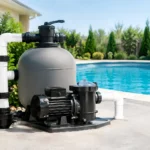
Beautiful tile and a custom shape are easy to notice. Pumps, filters, plumbing, drainage, and automation are less visible, but they do much of the work that keeps ownership simple. A pool should be designed with efficient circulation and equipment that suits its water volume, features, and expected use.
Variable-speed pumps can reduce energy use compared with older single-speed equipment. Properly sized filtration supports clearer water and makes routine service more effective. If the pool includes a spa, water features, solar heating, or gas heating, those components need to be coordinated from the beginning instead of added as an afterthought.
Automation is worth considering for homeowners who want straightforward control over lights, temperature, pumps, and water features. It is not necessary for every project, and a simpler system may be the right choice for some households. Still, planning for automation during construction is usually easier than attempting a major retrofit later.
The equipment pad should be accessible for service without becoming the focal point of the yard. It needs adequate space, proper plumbing routes, and a location that considers sound and visibility. A good layout gives technicians room to maintain the system and helps prevent small service needs from becoming complicated repairs.
What a Well-Managed Construction Process Looks Like
Pool construction involves multiple phases, and each one depends on the previous work being completed correctly. The sequence generally includes design and approvals, layout, excavation, steel reinforcement, plumbing and electrical work, gunite or shotcrete application, tile and coping, deck installation, interior finish, equipment startup, and final adjustments.
The timing can vary based on weather, inspections, material availability, site access, and the complexity of the design. Homeowners should be cautious of promises that sound overly fixed before the site and scope are fully understood. Reliable communication matters more than unrealistic scheduling. You should know what phase is happening, what is coming next, and whether a decision is needed from you.
Changes during construction are possible, but they should be made carefully. Moving a light, changing a water feature, or selecting a different tile can affect labor, materials, and schedule. Reviewing finishes, coping, deck materials, and feature details before installation helps avoid rushed choices.
At South County Pools, three generations of industry experience inform a practical approach: build the pool correctly, explain the choices clearly, and remain available when the project moves into ongoing care. That continuity is valuable because the team maintaining the pool understands how its equipment and plumbing were installed.
Choose Materials for Maintenance and Longevity
Tile, coping, plaster or pebble finishes, and decking all influence the appearance and upkeep of a pool. The right combination depends on your design goals, sun exposure, surrounding landscape, budget, and willingness to maintain specialty materials.
Natural stone can bring warmth and character, but some materials require sealing and regular attention. Porcelain tile offers many color and design options and can be easier to care for in certain applications. Textured decking can improve traction, while smoother finishes may suit a cleaner, more contemporary look. There are trade-offs in cost, heat retention, slip resistance, and maintenance, so samples should be viewed outdoors whenever possible.
Waterline tile is more than a decorative detail. It helps protect the shell at the waterline and creates a visual transition between water and deck. Selecting a durable tile and maintaining proper water chemistry will help preserve its appearance over time.
Plan for Ownership Before the First Swim
A new pool needs a startup period and a consistent maintenance routine. The interior surface must be cared for properly as it cures, and water chemistry needs close attention from the beginning. This early care supports the finish, protects equipment, and establishes the clean, balanced water your family expects.
Before the project is complete, make sure you understand the basic system: where the shutoffs are, how to operate the controller, when to clean baskets, and who to call if something does not look right. Even hands-off pool owners benefit from knowing these essentials.
Weekly professional service can handle testing, balancing, cleaning, and visual equipment checks, while occasional repairs and upgrades can be addressed by a provider already familiar with the pool. This is especially helpful when a filter, heater, plumbing line, or automated control needs attention years after construction.
A well-built pool should feel like a lasting improvement to your home and your time outdoors. Start with a clear vision, allow the site to guide the design, and choose a local construction partner who will still be there when it is time to keep the water crystal clear.
