
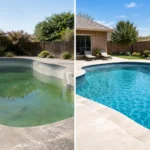
Before After Pool Renovation Examples That Work
September 23, 2026
Pool Heater Versus Heat Pump: Which Is Best?
September 27, 2026A well-chosen water feature can turn a standard backyard pool into the place everyone gathers after a long Orange County day. The best pool water features do more than add movement or sound. They can soften street noise, create a focal point from the house, give children a shallow place to play, and make an older pool feel newly designed without rebuilding the entire yard.
The right choice depends on your pool’s style, the space around it, and how much maintenance you want to take on. A dramatic waterfall may suit a large hillside property, while a pair of simple scuppers may be the better fit for a clean-lined Newport Beach remodel. Here are the features homeowners ask for most, along with the practical details worth considering before construction starts.
The Best Pool Water Features for Orange County Homes
1. Sheer descents
A sheer descent sends a smooth, clear sheet of water from a raised wall into the pool. It is one of the most versatile choices for contemporary pools because it looks polished during the day and becomes even more striking with integrated LED lighting at night.
These features work especially well when a pool already has a raised bond beam, planter wall, or spa wall. The water sound is typically calm rather than loud, which makes sheer descents a good option for homeowners who want ambiance without overpowering conversation on the patio. Their clean appearance does require proper leveling and plumbing. If the feature is not installed correctly, the water sheet can break up or spray unevenly.
2. Scuppers
Scuppers are short openings in a raised wall that pour water into the pool in a defined stream. They can be made from materials that complement the pool finish and surrounding hardscape, including stainless steel, copper, stone, or tile.
For a coastal or Mediterranean-style backyard, scuppers offer more character than a plain wall while remaining compact and easy to incorporate into a remodel. Their sound is slightly stronger than a sheer descent, depending on the drop and water flow. Homeowners should consider the material carefully. Metal finishes can develop a natural patina, while stone scuppers may need more attention to mineral buildup over time.
3. Bubblers for tanning ledges
A bubbler, sometimes called a fountain bubbler, sends a gentle stream of water up from a shallow tanning ledge. It gives younger children a fun play area and gives adults a cool, comfortable place to sit with lounge chairs partly in the water.
Bubblers are particularly popular on new custom pools because they pair naturally with a Baja shelf or sun shelf. They are also a practical choice for a remodel when homeowners want to add visual interest without building a large raised structure. For the best effect, plan the shelf depth, number of bubblers, and lighting together. A properly designed shelf remains useful even when the water features are off.
4. Deck jets
Deck jets create arching streams of water from the deck into the pool. They bring movement across the water without taking up visual space above the coping or changing the pool’s basic shape. At night, illuminated jets can add a festive look for outdoor entertaining.
This feature is often a good fit for families who want something playful but less permanent-looking than a waterfall. The trade-off is wind. On breezy afternoons near the coast, deck jet streams can shift and create overspray on the deck. Adjustable flow and careful placement make a major difference, especially in exposed backyards.
5. Natural rock waterfalls
A rock waterfall creates a more relaxed, resort-style setting, using natural or manufactured stone to make the water appear as though it is moving through the landscape. It can help a pool feel integrated into a garden, slope, or lush planting plan rather than set apart from it.
The scale matters. A waterfall that is too large for the pool can overwhelm the backyard and create more noise than expected. It should also be built for service access, with concealed plumbing and equipment that can be reached when repairs are needed. Natural stone surfaces and crevices can collect debris, so regular cleaning is part of keeping this feature attractive.
6. Spillover spas
A raised spa with a spillover edge is one of the most useful water features because it combines visual appeal with a separate place to relax year-round. Water flowing from the spa into the pool adds sound and movement, while the raised wall can become a central design element with tile, stone, or a smooth plaster finish.
For many Orange County homeowners, a spillover spa is a better long-term investment than a purely decorative feature. It supports everyday use, entertaining, and cooler evenings, while also giving the backyard a finished, custom look. The feature does need thoughtful plumbing and automation so the spa can heat efficiently and operate independently when needed.
7. Rain curtains and rain walls
A rain curtain releases thin, individual streams of water from a beam or overhang. A rain wall creates a denser curtain effect, often along a raised wall or covered outdoor structure. Both create a more architectural look and can work beautifully near a seating area or outdoor kitchen.
These options are best for homeowners who want a distinctive focal point. Because they use multiple outlets, they require careful installation and regular inspection to keep flow even. They also need to be designed with splash patterns in mind. A feature that looks beautiful from indoors is not helpful if it constantly wets nearby furniture or walking paths.
8. Fire and water bowls
Fire and water bowls combine a small flame feature with a spillway that sends water into the pool. They are often installed in pairs on raised columns, spa walls, or perimeter walls, creating a dramatic look after sunset.
This is a high-impact choice for formal entertaining areas, but it involves more than aesthetics. Gas lines, electrical components, drainage, and safety clearances must all be planned during construction or a substantial remodel. The finish should coordinate with the pool tile and surrounding architecture so the bowls feel like part of the design, not an afterthought.
Choose a Feature That Matches How You Use the Backyard
The best-looking feature is not always the best feature for your household. Families with young children may get more daily value from a tanning ledge with bubblers than from a tall waterfall. Homeowners who host evening gatherings may prefer lighted sheer descents, deck jets, or fire bowls that make the pool visible and inviting after dark.
Also consider the view from inside the home. A feature should create interest from the kitchen, living room, or primary bedroom if those are the places where you will see it most often. In a smaller yard, one carefully placed water feature can feel more upscale than several competing elements.
Noise is another important consideration. Water can help mask traffic or neighboring activity, which is valuable in denser coastal and suburban communities. But louder is not always better. Ask for a feature that produces the sound level you want during normal pump operation, not just a dramatic effect in a showroom setting.
Plan for Plumbing, Automation, and Ongoing Care
Every water feature relies on the right plumbing, pump capacity, valves, and electrical work. Adding a feature without evaluating the existing equipment can lead to weak water flow, inefficient operation, or unnecessary strain on an aging pump. During a remodel, it is often smart to assess circulation equipment, filters, automation, lighting, and drainage at the same time.
Automation makes features much easier to enjoy. Instead of manually adjusting valves, homeowners can schedule water features, control lighting, and turn spa spillovers on or off from a compatible controller. This helps manage energy use and prevents a feature from running when it is not needed.
Routine care matters as well. Calcium scale can accumulate around spillways and scuppers, especially where water dries on tile or stone. Leaves and debris can affect waterfalls and rain features. Regular pool maintenance, balanced water chemistry, and occasional inspections keep the feature running cleanly and protect the finishes around it.
Build for the Long Term, Not Just the Reveal
A water feature should look good on installation day, but it also needs to remain accessible, serviceable, and appropriate for the way your family uses the pool. The most successful projects balance visual impact with practical circulation, safe deck space, realistic maintenance, and equipment that is sized to do the job.
Whether you are planning a new pool or updating an aging backyard, South County Pools can help you evaluate water features as part of a complete design or remodel plan. A clear conversation about your space, budget, and long-term care needs is the best place to start – and it leads to a backyard that stays enjoyable long after the first splash.
