
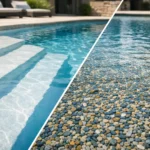
Pool Replastering Versus Pebble Finishes Compared
September 1, 2026A pool can still hold water and circulate properly while its finish is quietly nearing the end of its useful life. Pool plaster lifespan is not just about age. In Orange County, intense sun, mineral-rich fill water, salt systems, chemical balance, and daily use can all affect how long a surface stays smooth, clean-looking, and comfortable underfoot.
For most homeowners, the question is not simply, “How many years should plaster last?” The more useful question is whether the current surface is still protecting the pool shell and supporting easy, safe ownership. A timely resurfacing project can eliminate rough spots, stubborn staining, and ongoing water-balance headaches before they become a larger renovation.
How Long Does Pool Plaster Last?
Traditional white plaster commonly lasts about 7 to 15 years. That is a broad range because material quality, installation methods, water chemistry, and maintenance habits make a real difference. A properly installed finish that receives consistent professional care may perform well beyond the lower end of that range. A pool with frequent chemical swings, aggressive brushing, or neglected equipment can show wear much earlier.
The type of finish also matters. Standard plaster is a classic, cost-conscious choice with a clean appearance, but it is generally less durable than upgraded exposed aggregate finishes. Quartz finishes often offer better color retention and resistance to staining, while pebble finishes can last 15 to 25 years or more when installed and maintained correctly. Those options typically cost more upfront, so the right choice depends on your budget, the pool’s design, and how long you expect to remain in the home.
Age alone does not require resurfacing. A 12-year-old finish may still be in good condition, while a six-year-old surface with severe etching or delamination may need attention. A qualified pool professional should evaluate the full surface, not just the most visible stain.
What Shortens Pool Plaster Lifespan?
Plaster is a cement-based surface. It is durable, but it is not maintenance-free. Water that is repeatedly too acidic can slowly dissolve and etch the finish, creating a rough texture and exposing the aggregate beneath the surface. Water that is consistently out of balance in the other direction can leave calcium scale, particularly along the tile line and in areas with warmer water circulation.
Southern California’s sunny climate also places extra demand on pool care. Heat and sun increase evaporation, which concentrates minerals and chemicals in the water. Homeowners then add fresh water more often, and that fill water can contribute calcium and other dissolved minerals. Without regular testing and adjustments, those conditions may lead to scale, mottling, staining, or surface deterioration.
Chlorine is not the enemy of plaster when it is properly managed. The concern is prolonged exposure to highly concentrated chlorine, especially when tablets sit against the surface, chemicals are added without adequate circulation, or a pool is repeatedly shocked without first checking its balance. Saltwater pools require the same attention. A salt system creates chlorine, but it does not eliminate the need for routine water testing, calcium management, and proper pH control.
Equipment problems can also affect the finish. A leaking heater, failing pump, poor circulation, or a filter that is not operating efficiently can leave areas of the pool with uneven chemistry. That can cause localized staining or etching that appears unrelated to the equipment issue.
Signs Your Pool Needs More Than Cleaning
Some surface concerns respond well to cleaning, stain treatment, or an acid wash. Others signal that the plaster itself is wearing out. The difference matters because an acid wash can brighten a stained pool, but it removes a thin layer of material. It should not be used as a routine substitute for resurfacing.
Pay attention to roughness. If the pool floor or steps feel abrasive, catch on swimsuits, or irritate feet and hands, the finish may be etched or losing its smooth cement layer. Small cracks may be cosmetic, but cracking can also indicate surface movement, bond failure, or an issue beneath the plaster that deserves professional evaluation.
Persistent discoloration is another clue. Organic stains from leaves or algae can often be treated, while metal stains and mineral deposits may require targeted service. When the color variation is widespread, mottled, or paired with roughness, it may be part of the finish’s natural aging rather than a removable stain.
Other warning signs include flaking, hollow-sounding sections, exposed gunite, recurring algae in textured areas, and plaster dust collecting in the pool. These conditions can make water care more difficult and may worsen over time. Waiting until the shell is exposed can limit design choices and increase the scope of the repair.
Pool Plaster Lifespan Depends on Daily Care
The best way to protect a finish is steady, measured maintenance. Weekly water testing should account for pH, total alkalinity, calcium hardness, sanitizer level, cyanuric acid, and other conditions that influence the water’s saturation balance. The goal is not to chase one number in isolation. It is to keep the water from becoming consistently aggressive or scale-forming.
Good circulation is equally practical. Run times should match the pool’s size, bather load, season, and equipment setup. Brushing keeps fine debris from settling on surfaces and helps prevent algae from establishing itself in corners, steps, and textured areas. Skimming and vacuuming reduce the organic material that can stain plaster or consume sanitizer.
Homeowners who handle their own pool care should avoid adding products based on guesswork. More chemicals do not automatically mean cleaner water. Follow product directions, pre-dissolve chemicals when appropriate, add them with the pump running, and allow circulation before retesting. If the water turns cloudy, green, or unusually harsh, the underlying cause should be identified rather than covered up with repeated chemical additions.
Professional weekly service is especially helpful for busy households, vacation properties, and pools with complex equipment. Consistent testing, inspection, and cleaning help catch small chemistry or circulation issues before they affect the finish or interrupt family use of the pool.
When Resurfacing Is the Right Investment
Resurfacing gives an aging pool a fresh, smooth, watertight interior and creates an opportunity to update the entire pool environment. Many Orange County homeowners coordinate new plaster with tile replacement, coping repairs, updated lighting, skimmer work, plumbing repairs, or equipment upgrades. Handling connected work during one renovation can be more efficient than opening the pool area multiple times for separate projects.
The finish you select should suit the way you use the pool. Standard plaster works well for homeowners who prefer a traditional look and plan to maintain the surface carefully. Quartz can provide added durability and a more distinctive color. Pebble finishes offer excellent longevity and a premium appearance, though their texture and cost are different from smooth plaster. A sample viewed in direct sunlight is often more useful than selecting a color from a small brochure image.
Resurfacing also requires proper start-up care. Fresh plaster needs a controlled fill, careful brushing, and closely managed chemistry during its early curing period. Skipping those steps can cause permanent appearance issues even when the installation itself is sound. Ask who will manage the start-up process and what daily care is expected during the first few weeks.
Plan Before the Surface Fails Completely
If your pool finish is becoming rough, stained, or difficult to keep balanced, schedule an evaluation while you still have time to plan the work around your family’s calendar. A professional inspection can separate a cleanable cosmetic issue from a finish that is approaching the end of its service life.
South County Pools helps Orange County homeowners assess aging finishes, address repair needs, and plan resurfacing work that fits the pool and the backyard around it. A clear evaluation now can help keep your pool comfortable, attractive, and swim ready for the seasons ahead.
